sales@naturalin.com
 +86(731)84430651








The Wonder of Tea Powder
Author : Naturalin Date : Click : times
The story of tea powder begins in ancient China, where it was originally known as "mocha" , meaning "ground tea" . As early as the Wei Dynasty, people in the Jingba region would process tea leaves into cakes, roast them, and then grind them into fine powder for brewing . This practice flourished during the Tang and Song Dynasties, reaching its peak in the Song Dynasty when the art of "diancha" (tea whisking) and "doucha" (tea competitions) became a favorite pastime among nobles and literati . The great tea sage Lu Yu recorded in his classic work The Classic of Tea that there were four types of tea for drinking: crude tea, loose tea, ground tea, and cake tea, highlighting the important status of tea powder in ancient Chinese tea culture .
Interestingly, the tea powder we know today has a fascinating cross-cultural journey. In the 9th century, Japanese envoys to the Tang Dynasty brought the art of making and drinking tea powder back to Japan . Later, in the late Southern Song Dynasty, Zen master Nanpu Shaoming introduced Chinese tea ceremony to Japan, and Zen master Eisai brought back the "diancha method" from the Song Dynasty . Over time, this practice evolved into the sophisticated Japanese tea ceremony we know today, with matcha (the Japanese pronunciation of "mocha") becoming its core element . Meanwhile, in China, tea powder gradually faded from daily life during the Ming Dynasty when Emperor Zhu Yuanzhang abolished the tribute system of compressed tea, favoring simpler loose-leaf tea brewing methods . It wasn’t until the late 20th century that tea powder, especially matcha, made a triumphant return to China as people rediscovered its unique flavor and health benefits .
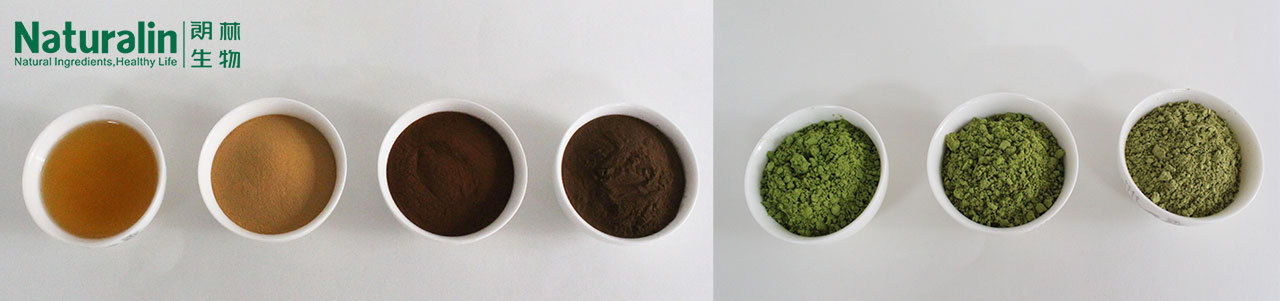
One of the most wonderful aspects of tea powder is its incredible diversity. Today, tea powder comes in a wide range of types, each with its own distinct characteristics and uses . Green tea powder, such as matcha, is made from shade-grown tea leaves, retaining high levels of chlorophyll and polyphenols, which give it a bright green color and fresh, umami flavor . It’s perfect for lattes, desserts, and traditional tea ceremonies. Black tea powder, with its caramel-like sweetness and rich aroma, is ideal for making milk teas and baked goods . Oolong tea powder, with its fragrant and mellow taste, works well in both beverages and ice creams, while dark tea powder, like pu’er tea powder, is often used in health supplements due to its mellow flavor and potential lipid-lowering effects . There are also scented tea powders, such as jasmine tea powder, which combine the fragrance of flowers with the aroma of tea, adding a unique touch to drinks and candies .
Beyond its diverse types, tea powder’s versatility in applications is truly amazing. In the food industry, it’s a star ingredient in a wide array of products . Bakers use it to make everything from matcha cakes and black tea cookies to oolong Swiss rolls and tea-flavored mooncakes. In beverages, it’s the key to creating creamy matcha lattes, refreshing tea-infused sparkling water, and nutrient-packed smoothies. It also shines in dairy products, adding a delightful tea flavor to yogurt, ice cream, and cheese mousse . Even savory dishes can benefit from tea powder—matcha salt is a popular seasoning for grilled meats and tempura, while black tea caramel sauce adds depth to savory-sweet dishes .
Tea powder’s wonders don’t stop at the dining table; it’s also making waves in the health and beauty industries. Thanks to its high concentration of antioxidants, such as polyphenols and EGCG, tea powder offers numerous health benefits . It helps boost the immune system, fight inflammation, improve heart health, and even enhance cognitive function . Many health supplements, such as polyphenol capsules and meal replacement powders, incorporate tea powder to enhance their nutritional value . In the beauty world, green tea powder is a common ingredient in face masks and serums due to its antioxidant and soothing properties, while tea-scented candles and perfumes bring a sense of calm and relaxation .
The modern revival of tea powder is also driven by advances in technology. Today, ultra-fine grinding technology creates tea powder with particles as fine as 20 microns, ensuring a smooth texture and easy dissolution . Spray-drying technology, optimized to preserve bioactive compounds like polyphenols and EGCG, has made it possible to produce high-quality instant tea powder that retains the flavor and nutrients of fresh tea leaves . These technological innovations have not only made tea powder more accessible but also expanded its applications in industrial production .
From ancient tea ceremonies to modern cafes, from traditional remedies to contemporary skincare, tea powder has stood the test of time, captivating people with its unique flavor, diverse uses, and health benefits. It’s a testament to the enduring appeal of tea culture and the endless possibilities of human creativity. Whether you’re savoring a warm matcha latte on a cold day, biting into a delicious black tea cookie, or using a green tea mask for a skincare routine, you’re experiencing the wonder of tea powder. So the next time you encounter this versatile ingredient, take a moment to appreciate its rich history and the magic it brings to our daily lives.
About Naturalin
References:
1. Guangming Daily. (2024). A Talk on Matcha Culture.
2. 360doc Personal Library. (2025). Tea Powder Products.
3. Unknown Author. (2025). Instant tea.
4. Wikipedia. (2025). Matcha.
5. Food Readme. (2025). The Complete Guide To Black Tea Powder: Benefits, Uses, Storage, And More.
6. PMC. (2025). Optimization of spray‐drying process to manufacture green tea powder and its characters.
 Return list