sales@naturalin.com
 +86(731)84430651






Top 5 medicinal plants and their benefits and uses
Author : Naturalin Date : Click : times
Modern research continues to confirm the therapeutic value of these plants, combining traditional knowledge with scientific evidence. Medicinal plants offer a holistic approach to health, often addressing the root cause of issues rather than just relieving symptoms, and many have few side effects when used correctly.
Below is a detailed look at the top 5 medicinal plants, their main benefits, and practical uses.
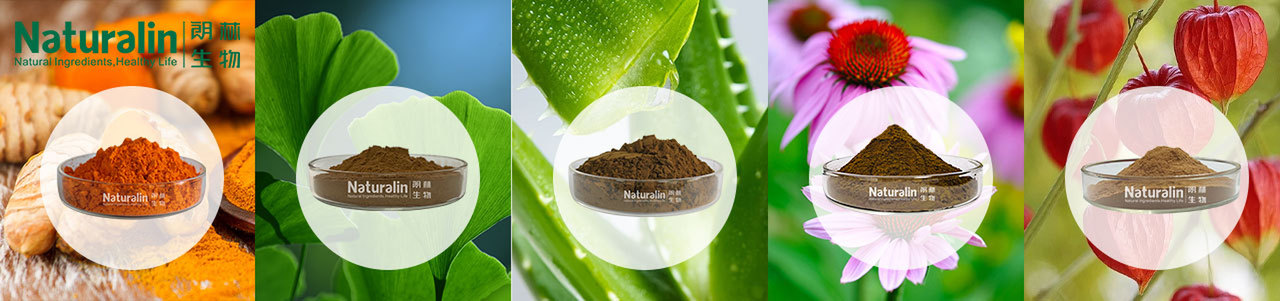
Turmeric
Turmeric, a golden rhizome from Southeast Asia, is best known for its active compound curcumin—a powerful polyphenol with strong anti-inflammatory and antioxidant effects. It has long been a key part of Ayurvedic and Chinese medicine, valued for aiding digestion, reducing inflammation, and boosting overall vitality.Key benefits of turmeric include relieving inflammation-related issues like arthritis, joint pain, and inflammatory bowel disease. Its antioxidants protect cells from free radical damage, potentially lowering the risk of chronic diseases such as heart disease and certain cancers.
Practical uses of turmeric are diverse. It is commonly used as a spice in cooking, adding flavor and color to dishes like curries, soups, and rice. For medicinal purposes, turmeric can be consumed as supplement (in capsule or powder form), or applied topically as a paste to soothe skin irritations, burns, and acne.
Ginkgo biloba’s main benefits focus on brain health and circulation. It improves blood flow to the brain and limbs by widening blood vessels and reducing blood thickness, which can enhance memory, focus, and concentration—especially in older adults with age-related cognitive decline. It may also ease anxiety, depression, and tinnitus (ringing in the ears).
Common uses of ginkgo biloba include taking it as a dietary supplement (available in tablet, capsule, or liquid extract form) to support cognitive function. In traditional medicine, ginkgo leaf extracts were also used to treat respiratory conditions like asthma and bronchitis, as they help relax the airways and reduce inflammation.
Aloe Vera
Aloe vera is a succulent native to the Arabian Peninsula, now grown worldwide for its medicinal and cosmetic uses. The gel inside its thick leaves is rich in vitamins, minerals , enzymes, and amino acids, making it a versatile remedy for skin and digestive problems.Aloe vera is most famous for soothing and healing the skin. Its anti-inflammatory, antimicrobial, and moisturizing properties make it effective for sunburns, minor cuts, scrapes, and skin irritations. The gel forms a protective layer on the skin, locking in moisture and promoting new skin cell growth to speed up healing. Internally, it soothes the gut lining, reduces inflammation from conditions like irritable bowel syndrome (IBS).
Practical uses of aloe vera are widespread. For topical use, the gel can be extracted directly from the leaf and applied to the affected area of the skin—ideal for sunburn relief, acne treatment, and moisturizing dry skin. It is also a common ingredient in skincare products such as lotions, creams, and face masks.
Echinacea
Echinacea, or purple coneflower, is a flowering plant native to North America. Its roots, leaves, and flowers contain active compounds like echinacosides, alkamides, and polysaccharides that give it medicinal properties.The main benefit of echinacea is boosting the immune system, helping prevent and treat the common cold and flu. It stimulates white blood cell production to fight viruses and bacteria, and may shorten the duration and reduce the severity of cold symptoms when taken early. It also has anti-inflammatory and antimicrobial effects.
Common uses of echinacea include taking it as a dietary supplement (available in capsule, tablet, liquid extract, or tea form) to boost immunity during cold and flu season. Topically, echinacea extracts can be applied to the skin as a cream or ointment to treat minor wounds, burns, and insect bites, thanks to its antimicrobial and healing properties.
Ashwagandha’s primary benefit is acting as an adaptogen—helping the body handle physical, mental, and emotional stress. It lowers cortisol (the stress hormone), easing anxiety, fatigue, and insomnia. It also boosts energy and physical performance by increasing muscle strength and endurance, making it popular among athletes. Additionally, it supports reproductive health: improving sperm count and motility in men, and regulating menstrual cycles and reducing PMS symptoms in women.
Practical uses of ashwagandha include taking it as a dietary supplement (available in capsule, powder, or liquid extract form). The powder can also be mixed into milk, smoothies, or tea for easy consumption—traditional preparations often involve steeping ashwagandha root in warm milk with honey before bedtime to promote relaxation and sleep.
In conclusion, these five medicinal plants—turmeric, ginkgo biloba, aloe vera, echinacea, and ashwagandha—offer numerous therapeutic benefits, rooted in traditional wisdom and supported by modern science. From reducing inflammation and boosting immunity to enhancing brain function and soothing the skin, these natural remedies provide alternative ways to support health.
Naturalin leads the development of "Echinacea Extract"social organization standards.With more than 20 years of experience exporting to global markets, we confidently bring you stable quality, competitive prices, and reliable services.If you have any things you want to know, please consult!
References
1.Brown, A., & Davis, L. (2018). Echinacea: A review of its immunomodulatory effects and clinical applications.Journal of Herbal Medicine, 15, 45-52.
2.Gupta, S. (2022). Ashwagandha (Withania somnifera) as an adaptogen: A review of its therapeutic potential. Phytomedicine, 98, 153879.
3.Janssen, K. (2020). Curcumin: The active component of turmeric with therapeutic applications. Journal of Medicinal Food, 23(1), 1-8.
4.Lee, M. (2021). Aloe vera: Properties, uses, and therapeutic applications. Journal of Cosmetic Dermatology, 20(3), 714-726.
5.Smith, J., Wang, H., & Zhang, L. (2019). Ginkgo biloba extract: A review of its effects on cognitive function and neurodegenerative diseases. Neuroscience Letters, 709, 134567.
 Return list