sales@naturalin.com
 +86(731)84430651







How are Green Tea Extracts Used in Personal Care Products?
Author : Naturalin Date : Click : times
For centuries, green tea has been cherished for its health-promoting properties, from soothing sipping rituals to traditional wellness practices. In recent years, this ancient ingredient has found a new role in the world of personal care, becoming a staple in formulations ranging from serums to shampoos. Derived from the leaves of Camellia sinensis, green tea extract is prized for its rich concentration of bioactive compounds—most notably polyphenols—that offer gentle, science-backed benefits for skin and hair. But how exactly is this natural extract integrated into personal care products, and what makes it such a versatile addition? Let’s dive into the details.
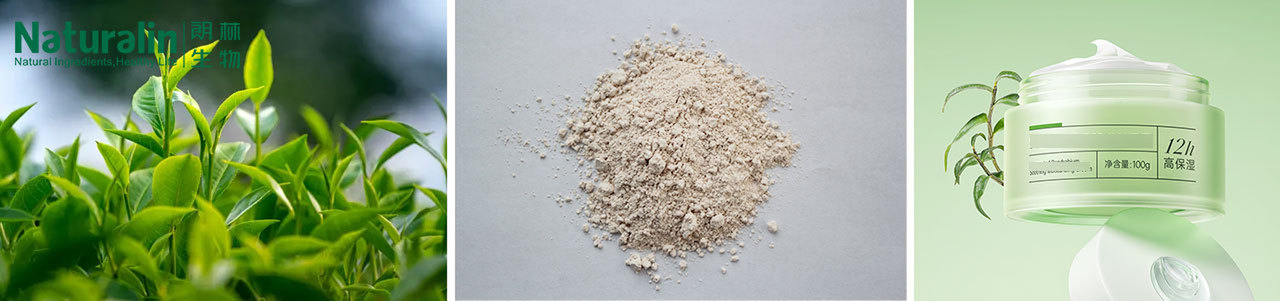
The Science Behind Green Tea Extract’s Appeal
Before exploring its uses, it’s important to understand why green tea extract is favored by formulators and consumers alike. Its benefits stem from a unique blend of active components, with polyphenols (accounting for 70-80% of its active compounds) leading the way. The most potent of these polyphenols is epigallocatechin gallate (EGCG), a powerful antioxidant that has been studied for its ability to neutralize free radicals—unstable molecules that contribute to environmental damage and premature aging of the skin and hair.
Beyond EGCG, green tea extract contains methylxanthines (including caffeine), amino acids (such as L-theanine), and vitamins (B vitamins, vitamin E) and minerals (zinc, selenium), all of which work synergistically to support skin and hair health. Unlike some synthetic ingredients, green tea extract is generally gentle, making it suitable for a wide range of skin types, including sensitive skin, when properly formulated.
Common Uses of Green Tea Extract in Personal Care Products
Green tea extract’s versatility lies in its ability to address multiple concerns—from calming irritation to protecting against environmental stress. Below are its most prevalent applications in personal care, organized by product category.
1. Facial Skincare: A Multitasking Ingredient
Facial skincare is where green tea extract shines brightest, thanks to its antioxidant, anti-inflammatory, and skin-soothing properties. It is commonly found in:
Serums and Essences: These lightweight formulations often feature green tea extract as a key active ingredient, as its water-soluble nature allows for deep penetration into the skin. Serums with green tea extract may focus on supporting the skin’s natural defense against free radicals from UV radiation and pollution, or calming redness and irritation associated with sensitive skin or environmental stressors. Formulators typically use concentrations between 0.1-5% to balance efficacy and gentleness.
Moisturizers and Creams: In moisturizers, green tea extract complements hydrating ingredients (like hyaluronic acid or ceramides) by helping to strengthen the skin’s barrier function. Its amino acid content, particularly L-theanine, soothes dry, irritated skin, while polyphenols support the skin’s natural collagen health to maintain elasticity over time. It is also added to eye creams, where its caffeine content may help reduce puffiness by stimulating circulation and constricting blood vessels.
Toners and Mists: Toners infused with green tea extract offer a refreshing, soothing boost, helping to balance the skin’s pH after cleansing. They can also provide a light layer of antioxidant protection, making them a popular choice for daily use, especially for those with oily or combination skin prone to redness.
Cleansers: Gentle foaming or creamy cleansers often include green tea extract to soothe the skin while removing impurities. Its anti-inflammatory properties help prevent over-cleansing irritation, making it suitable for sensitive or acne-prone skin.
Masks: Sheet masks, clay masks, and overnight masks may feature green tea extract to deliver a concentrated dose of antioxidants and soothing benefits. Clay masks with green tea extract are particularly popular for oily or acne-prone skin, as they can help regulate sebum production without drying out the skin.
2. Body Care: Soothing and Protecting
Green tea extract’s gentle, soothing properties make it a valuable addition to body care products, which often target larger areas of skin that may be prone to dryness or irritation:
Body Lotions and Butters: These products use green tea extract to soothe dry, rough skin (such as elbows, knees, and hands) while providing antioxidant protection. Its moisturizing benefits come from polysaccharides that form a breathable barrier on the skin’s surface, reducing moisture loss.
Body Washes and Shower Gels: Similar to facial cleansers, body washes with green tea extract cleanse gently while calming irritation, making them suitable for daily use. They may also help soothe skin affected by environmental factors like harsh weather or chlorine exposure.
After-Sun Products: Green tea extract’s ability to soothe inflammation and protect against UV-induced damage makes it a common ingredient in after-sun lotions and sprays. It helps calm redness and irritation caused by sun exposure, supporting the skin’s natural recovery process.
3. Hair Care: Nourishing Scalp and Strands
While less commonly discussed than its skincare uses, green tea extract offers meaningful benefits for hair and scalp health, targeting concerns like dryness, irritation, and environmental damage:
Shampoos and Conditioners: Shampoos with green tea extract help soothe a dry, itchy scalp by reducing inflammation, while conditioners use its nourishing properties to soften strands and reduce breakage. Its antioxidant properties also protect hair from damage caused by heat styling and environmental stressors like pollution.
Scalp Treatments: For those with scalp concerns like dandruff or sensitivity, scalp serums or toners with green tea extract can help calm irritation and support a healthy scalp environment. Its anti-inflammatory properties may help reduce flakiness associated with mild scalp conditions.
Hair Masks and Oils: Deep conditioning masks and hair oils often include green tea extract to nourish dry, brittle hair, adding shine and improving manageability. It works alongside other nourishing ingredients (like argan oil or shea butter) to strengthen hair strands from root to tip.
Is Green Tea Extract Right for Everyone?
Green tea extract is generally safe for most skin and hair types, including sensitive skin, when properly formulated. According to the Cosmetic Ingredient Review (CIR) and the U.S. Food and Drug Administration (FDA), it is considered safe for use in cosmetics with appropriate concentration limitations. However, individuals with known allergies to tea or related plants should patch-test products containing green tea extract before regular use, as rare allergic reactions may occur.
Conclusion
Green tea extract’s rise in personal care is a testament to its unique blend of science-backed benefits and gentle nature. From facial serums to hair conditioners, it offers a versatile, natural solution for supporting skin and hair health—addressing concerns like irritation, environmental damage, and dryness without harsh side effects. As consumers continue to prioritize clean, effective ingredients, green tea extract is likely to remain a staple in personal care formulations, bridging the gap between ancient wellness and modern beauty.
About Naturalin
Founded in 2006, Naturalin is committed to the research and innovation of natural plant raw materials. Aligning with the global trend of "clean beauty" and natural formulations in the personal care industry. Naturalin boasts multiple invention patents for related products and a wealth of successful application cases, ensuring the efficacy and safety of our plant extract ingredients.
We attach great importance to the personalized application needs of customers, support the customization of various plant extract products, and provide customers with comprehensive natural ingredient application solutions, helping brands create high-quality natural personal care products that meet market demand.
References
1. Journal of Clinical and Aesthetic Dermatology. (2020). A Review of Epigallocatechin Gallate (EGCG) and Its Effects on Skin Health: Antioxidant, Anti-Inflammatory, and Antimicrobial Properties.
2. Avicenna Journal of Phytomedicine. (2025). Green Tea (Camellia sinensis) and Its Polyphenols: Antioxidant and Anti-Aging Effects in Cosmetic Applications (Scoping Review).
3. Environmental Working Group (EWG). (2025). CAMELLIA SINENSIS (GREEN TEA) LEAF EXTRACT. EWG Skin Deep® Cosmetics Database.
4. Rittie, L., & Fisher, G. J. (2015). Mechanisms of photoaging and chronological skin aging. Cold Spring Harbor Perspectives in Medicine, 5(11), a019106.
5. Khan, N., & Mukhtar, H. (2013). Tea polyphenols: prevention of cancer and optimizing health. American Journal of Clinical Nutrition, 98(6), 1671S-1675S.
 Return list