sales@naturalin.com
 +86(731)84430651






Popular Nutritional and Health Ingredients: Chlorella Powder & Spirulina Powder
Author : Naturalin Date : Click : times
In the era of pursuing natural and nutrient-dense diets, microalgae-derived ingredients have gradually become the new darlings of the health food field. Among them, chlorella powder and spirulina powder, with their comprehensive nutritional profiles and potential health benefits, have gained widespread attention from consumers and researchers alike. These two microalgae powders, though often mentioned in the same breath, have unique characteristics in terms of nutrient composition and functional properties. Let’s explore their secrets to helping maintain physical health.
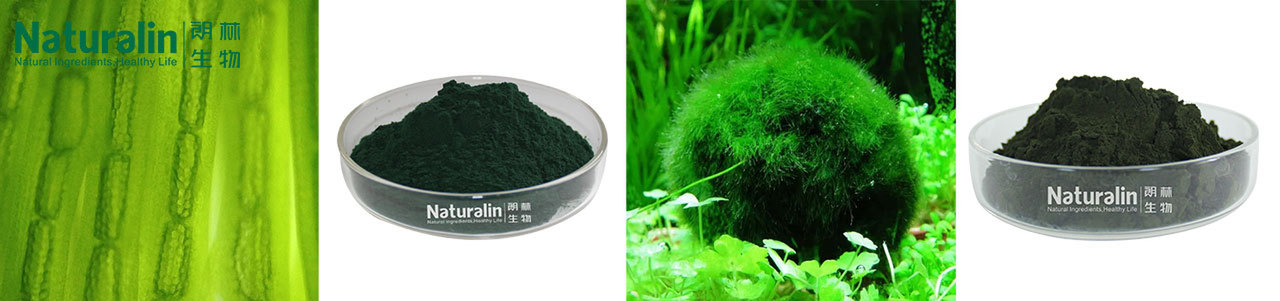
What Are Chlorella Powder and Spirulina Powder?
Chlorella powder is a fine, bright green supplement produced from Chlorella vulgaris, a unicellular freshwater green alga. Renowned for its high chlorophyll content—one of the key reasons for its vivid color—it is packed with nutrients but features a tough cellulose cell wall. Since this cell wall is indigestible to humans, commercial chlorella powder typically undergoes mechanical cell wall disruption. This processing step significantly enhances the bioavailability of its internal nutrients, allowing the body to absorb and utilize them more effectively.
Spirulina powder, by contrast, is derived from Arthrospira platensis, a filamentous cyanobacterium often referred to as blue-green algae. It thrives in saltwater or alkaline environments and has a distinct blue-green tint, setting it apart from chlorella. A major advantage of spirulina is its lack of a cellulose cell wall. This structural difference means its nutrients—including proteins, vitamins, and bioactive compounds—are readily absorbable by the human body without the need for additional processing, making it a convenient option for nutrient supplementation.
Nutritional Profiles: Similarities and Differences
Both chlorella and spirulina powders are recognized as nutrient powerhouses, but they differ slightly in specific nutrient content, catering to different dietary needs.
In terms of similarities, both are excellent sources of plant-based protein, containing 60-70% protein per dry weight, and provide all essential amino acids in a digestible form. They are also rich in B vitamins (such as riboflavin and thiamine), folate, and polyunsaturated fatty acids, which are beneficial for heart health. Additionally, both are abundant in chlorophyll, a natural phytochemical with antioxidant properties.
The differences lie in their unique nutrient advantages. Chlorella powder stands out with higher levels of vitamin A (providing 287% of the daily value per ounce), iron (202% of the daily value), zinc, and omega-3 fatty acids. It is also the exclusive source of Chlorella Growth Factor (CGF), a compound composed of nucleic acids and amino acids that supports cellular repair. Spirulina powder, meanwhile, contains more copper, omega-6 fatty acids, and phycocyanin—a blue pigment with potent antioxidant activity. Studies have shown that spirulina exhibits superior antioxidant efficacy compared to chlorella through DPPH and ABTS assays.
Potential Health Benefits Backed by Research
The health benefits of these two powders are supported by a growing body of scientific research, covering immunity, detoxification, and chronic disease prevention.
For chlorella powder, its high chlorophyll content enables it to bind to heavy metals (such as mercury and lead) and toxins in the body, aiding natural detoxification through the liver and digestive system. Research indicates that chlorella can boost immune function by enhancing natural killer cell activity and antibody synthesis. It may also help improve cholesterol levels by reducing total cholesterol and triglyceride levels, thanks to its niacin, fiber, and antioxidant content. Furthermore, chlorella vulgaris culture supernatant (CVS), a protein in chlorella, has been studied for its antitumor properties by inhibiting tumor cell metastasis.
Spirulina powder’s health benefits are closely linked to its rich bioactive compounds. Its phycocyanin and antioxidant components contribute to reducing oxidative stress in the body. Clinical trials on COVID-19 patients have found that high-dose spirulina supplementation may reduce mortality and shorten hospitalization stays by lowering inflammatory markers like IL-6 and CRP. Both chlorella and spirulina have also demonstrated antimicrobial activity, showing inhibitory effects against plant phytopathogens such as Xanthomonas arboricola and Monilia fructigena.
How to Incorporate Them into Daily Diet
Both powders are versatile and easy to integrate into daily meals, making them suitable for most people. Here are some practical suggestions:
·Smoothies and Juices: Add 1-2 teaspoons of powder to fruit smoothies, vegetable juices, or plant-based milk for a nutrient boost without significantly altering the taste (note: chlorella may impart a stronger green flavor).
·Soups and Sauces: Stir into soups, stews, or homemade sauces (such as hummus or guacamole) to enhance nutritional value while maintaining the dish’s original flavor.
·Baked Goods: Incorporate into bread, muffins, or energy bars during preparation for a hidden nutrient addition.
(It is important to follow recommended dosages and start with small amounts to assess individual tolerance, especially for those new to microalgae supplements.)
Conclusion
Chlorella powder and spirulina powder are more than just trendy health ingredients—they are natural, nutrient-dense superfoods with distinct advantages. Chlorella excels in detoxification and cellular repair, while spirulina shines in antioxidant and anti-inflammatory support. By incorporating them into a balanced diet, one can harness their nutritional power to support overall health. As with any supplement, prioritizing product quality and consulting professionals when needed ensures a safe and effective experience.
About Naturalin
Founded in 2006, Naturalin is committed to the manufacturing, innovation, and sales of natural ingredients. What's more, Naturalin values your innovated needs, providing unique and professional natural ingredients application solutions.As a leading organic algae products manufacturer,our advantages:
·100% pure and natural, with no fillers, binders or additives
·High in protein and nutrient-rich
·Gluten-free and vegan-certified
·Uniqueodorofseaweed
References
1. Miková, N. C., et al. (2025). Comprehensive Analysis of Chlorella vulgaris and Arthrospira platensis: Algae for Food Well-Being and Sustainable Agriculture. ACS Food Sci. Technol., 5, 3000-3011.
2. MedicineNet. (2025). 12 Impressive Health Benefits of Chlorella.
3. CBI. Entering the European market for chlorella and spirulina for health products.
4. MedicineNet. (2025). Chlorella vs. Spirulina: What’s the Difference?
5. Examine. (2025). What’s the difference between chlorella and spirulina?
Label:
- Next Page:Application of Yucca Extract in Feed Additives
-
 Return list
- Previous Page:How Does Rosehip Extract Promote Inner Beauty?