sales@naturalin.com
 +86(731)84430651







Natural Anti-inflammatory Ingredient: Curcumin
Author : Date : Click : times
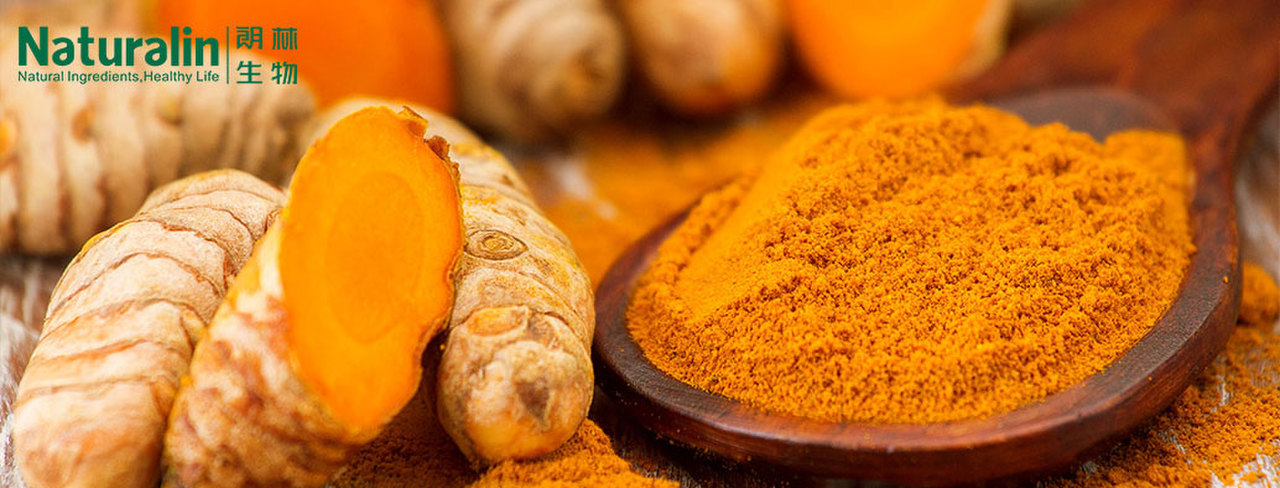
Inflammation is a natural defense mechanism of the human body, playing a crucial role in resisting infections, repairing tissue damage, and removing harmful substances. However, chronic inflammation, triggered by factors such as long-term unhealthy diets, environmental pollution, stress, and lack of exercise, has become a hidden threat to human health. It is closely associated with the occurrence and development of various chronic diseases, including cardiovascular diseases, arthritis, metabolic syndrome, and certain cancers. Amid the growing demand for natural and safe anti-inflammatory solutions, curcumin, a bioactive compound extracted from the rhizome of Curcuma longa (a plant of the Zingiberaceae family), has emerged as a standout natural anti-inflammatory ingredient, celebrated for its potent efficacy and excellent safety profile.
Firstly, curcumin inhibits the activity of pro-inflammatory enzymes. Cyclooxygenase (COX) and lipoxygenase (LOX) are key enzymes in the synthesis of inflammatory mediators such as prostaglandins and leukotrienes. Curcumin can selectively inhibit the activity of COX-2 (the inducible form of COX) and LOX, reducing the production of these pro-inflammatory substances and alleviating inflammatory reactions without affecting the normal physiological functions of COX-1 (the constitutive form involved in maintaining gastric mucosal integrity and platelet function).
Secondly, it modulates the nuclear factor-κB (NF-κB) signaling pathway. NF-κB is a pivotal transcription factor that regulates the expression of a variety of pro-inflammatory genes, including those encoding tumor necrosis factor-α (TNF-α), interleukin-6 (IL-6), and other pro-inflammatory cytokines. Inflammatory stimuli can activate the NF-κB pathway, leading to the overexpression of these cytokines and amplifying the inflammatory response. Curcumin can block the activation of the NF-κB pathway by inhibiting the phosphorylation and degradation of its inhibitor (IκB), thereby suppressing the transcription of pro-inflammatory genes and reducing the release of inflammatory cytokines.
Thirdly, curcumin exerts anti-inflammatory effects by regulating oxidative stress. Oxidative stress, characterized by an imbalance between reactive oxygen species (ROS) and antioxidant defenses, is closely intertwined with inflammation—excessive ROS can trigger and exacerbate inflammatory responses, while inflammation can further promote the production of ROS. Curcumin possesses strong antioxidant activity: it can scavenge free radicals directly, chelate metal ions involved in ROS generation, and enhance the activity of endogenous antioxidant enzymes such as superoxide dismutase (SOD), catalase (CAT), and glutathione peroxidase (GSH-Px). By reducing oxidative damage, curcumin breaks the vicious cycle between oxidative stress and inflammation, exerting a synergistic anti-inflammatory effect.
In joint health, curcumin is widely used to alleviate symptoms of inflammatory joint diseases such as osteoarthritis and rheumatoid arthritis. By inhibiting local inflammation in the joints, reducing the production of inflammatory mediators, and relieving oxidative damage to joint tissues, curcumin can effectively ease joint pain, swelling, and stiffness, improving joint mobility and quality of life for patients.
In cardiovascular health, chronic inflammation is a key contributor to the development of atherosclerosis, hypertension, and other cardiovascular diseases. Curcumin can reduce inflammation in the vascular endothelium, inhibit the formation of atherosclerotic plaques, improve vascular elasticity, and regulate blood lipid levels, thereby reducing the risk of cardiovascular diseases.
In digestive health, curcumin exhibits protective effects on the gastrointestinal tract. It can inhibit inflammation in the gastric mucosa, reduce the damage caused by gastric acid and inflammatory factors to the gastric mucosa, and may assist in the management of conditions such as gastritis and inflammatory bowel disease. Meanwhile, curcumin promotes the secretion of bile, aids in fat digestion, and supports liver health by reducing liver inflammation and oxidative stress.
Common methods include combining curcumin with piperine (a bioactive compound in black pepper), which inhibits the activity of metabolic enzymes (such as UDP-glucuronosyltransferases) in the liver and intestines, slowing down the metabolism and excretion of curcumin, thereby increasing its bioavailability in the bloodstream.
Founded in 2006, Naturalin is committed to the manufacturing, innovation, and sales of natural ingredients. As a manufacturer dedicated to the plant extraction industry, Naturalin have extensive experience in Turmeric Extract / Curcumin / Water Soluble Curcumin .
References
1. Aggarwal, B. B., & Sung, B. (2009). Curcumin: Chemical and biological perspectives for use in disease prevention and therapy. Chemical Reviews, 109(11), 6551-6595.
2. Jurenka, J. S. (2009). Anti-inflammatory properties of curcumin, a major constituent of Curcuma longa: A review of preclinical and clinical research. Alternative Medicine Review, 14(2), 141-153.
3. Lan, X., Pan, S., & Li, Y. (2015). Curcumin improves insulin resistance by inhibiting inflammatory pathways in high-fat diet-induced obese mice. Journal of Nutritional Biochemistry, 26(10), 1188-1195.
4. Prakash, S., & Aggarwal, B. B. (2019). Curcumin and its analogs: Potential therapeutic agents for the treatment of inflammatory bowel disease. Journal of Gastroenterology and Hepatology, 34(Suppl 1), 71-78.
5. Sharma, R. A., Euden, S. A., Platton, S. L., Cooke, D. N., Shafayat, A., Hewitt, H. R., & Marczylo, T. H. (2005). Phase I clinical trial of oral curcumin: Biomarkers of systemic activity and compliance. Clinical Cancer Research, 11(14), 4823-4830.
Core Anti-inflammatory Mechanisms of Curcumin
Firstly, curcumin inhibits the activity of pro-inflammatory enzymes. Cyclooxygenase (COX) and lipoxygenase (LOX) are key enzymes in the synthesis of inflammatory mediators such as prostaglandins and leukotrienes. Curcumin can selectively inhibit the activity of COX-2 (the inducible form of COX) and LOX, reducing the production of these pro-inflammatory substances and alleviating inflammatory reactions without affecting the normal physiological functions of COX-1 (the constitutive form involved in maintaining gastric mucosal integrity and platelet function).
Secondly, it modulates the nuclear factor-κB (NF-κB) signaling pathway. NF-κB is a pivotal transcription factor that regulates the expression of a variety of pro-inflammatory genes, including those encoding tumor necrosis factor-α (TNF-α), interleukin-6 (IL-6), and other pro-inflammatory cytokines. Inflammatory stimuli can activate the NF-κB pathway, leading to the overexpression of these cytokines and amplifying the inflammatory response. Curcumin can block the activation of the NF-κB pathway by inhibiting the phosphorylation and degradation of its inhibitor (IκB), thereby suppressing the transcription of pro-inflammatory genes and reducing the release of inflammatory cytokines.
Thirdly, curcumin exerts anti-inflammatory effects by regulating oxidative stress. Oxidative stress, characterized by an imbalance between reactive oxygen species (ROS) and antioxidant defenses, is closely intertwined with inflammation—excessive ROS can trigger and exacerbate inflammatory responses, while inflammation can further promote the production of ROS. Curcumin possesses strong antioxidant activity: it can scavenge free radicals directly, chelate metal ions involved in ROS generation, and enhance the activity of endogenous antioxidant enzymes such as superoxide dismutase (SOD), catalase (CAT), and glutathione peroxidase (GSH-Px). By reducing oxidative damage, curcumin breaks the vicious cycle between oxidative stress and inflammation, exerting a synergistic anti-inflammatory effect.
Potential Applications of Curcumin in Health Maintenance
In joint health, curcumin is widely used to alleviate symptoms of inflammatory joint diseases such as osteoarthritis and rheumatoid arthritis. By inhibiting local inflammation in the joints, reducing the production of inflammatory mediators, and relieving oxidative damage to joint tissues, curcumin can effectively ease joint pain, swelling, and stiffness, improving joint mobility and quality of life for patients.
In cardiovascular health, chronic inflammation is a key contributor to the development of atherosclerosis, hypertension, and other cardiovascular diseases. Curcumin can reduce inflammation in the vascular endothelium, inhibit the formation of atherosclerotic plaques, improve vascular elasticity, and regulate blood lipid levels, thereby reducing the risk of cardiovascular diseases.
In digestive health, curcumin exhibits protective effects on the gastrointestinal tract. It can inhibit inflammation in the gastric mucosa, reduce the damage caused by gastric acid and inflammatory factors to the gastric mucosa, and may assist in the management of conditions such as gastritis and inflammatory bowel disease. Meanwhile, curcumin promotes the secretion of bile, aids in fat digestion, and supports liver health by reducing liver inflammation and oxidative stress.
Enhancing Bioavailability: Key to Maximizing Curcumin's Efficacy
Common methods include combining curcumin with piperine (a bioactive compound in black pepper), which inhibits the activity of metabolic enzymes (such as UDP-glucuronosyltransferases) in the liver and intestines, slowing down the metabolism and excretion of curcumin, thereby increasing its bioavailability in the bloodstream.
Founded in 2006, Naturalin is committed to the manufacturing, innovation, and sales of natural ingredients. As a manufacturer dedicated to the plant extraction industry, Naturalin have extensive experience in Turmeric Extract / Curcumin / Water Soluble Curcumin .
References
1. Aggarwal, B. B., & Sung, B. (2009). Curcumin: Chemical and biological perspectives for use in disease prevention and therapy. Chemical Reviews, 109(11), 6551-6595.
2. Jurenka, J. S. (2009). Anti-inflammatory properties of curcumin, a major constituent of Curcuma longa: A review of preclinical and clinical research. Alternative Medicine Review, 14(2), 141-153.
3. Lan, X., Pan, S., & Li, Y. (2015). Curcumin improves insulin resistance by inhibiting inflammatory pathways in high-fat diet-induced obese mice. Journal of Nutritional Biochemistry, 26(10), 1188-1195.
4. Prakash, S., & Aggarwal, B. B. (2019). Curcumin and its analogs: Potential therapeutic agents for the treatment of inflammatory bowel disease. Journal of Gastroenterology and Hepatology, 34(Suppl 1), 71-78.
5. Sharma, R. A., Euden, S. A., Platton, S. L., Cooke, D. N., Shafayat, A., Hewitt, H. R., & Marczylo, T. H. (2005). Phase I clinical trial of oral curcumin: Biomarkers of systemic activity and compliance. Clinical Cancer Research, 11(14), 4823-4830.
Label:
 Return list