sales@naturalin.com
 +86(731)84430651







Unlock the Magic of Matcha Powder: From Ancient Rituals to Modern Delights
Author : Naturalin Date : Click : times
Matcha’s story begins over a thousand years ago in Tang Dynasty China (618–907 CE), where tea leaves were first steamed, dried, and ground into a powder. Initially used for medicinal purposes, this powdered tea gained prominence during the Song Dynasty (960–1279 CE), when imperial families and scholars embraced it as a beverage for mindfulness and social gatherings. Historical records, such as the Chajing (The Classic of Tea) by Lu Yu, though focused on loose-leaf tea, lay the groundwork for later powdered tea practices, highlighting the era’s reverence for tea as both a medicinal and cultural staple. It was during the Song Dynasty that the art of preparing and serving matcha—known as “chanoyu” in Japanese—began to take shape, with elaborate ceremonies that turned tea-drinking into a form of art.
In the 12th century, Zen Buddhist monks brought matcha to Japan, where it evolved into a cornerstone of Japanese culture. The legendary monk Eisai, credited with popularizing matcha in Japan, wrote Kissa Yojoki (Drinking Tea for Health), a treatise detailing its ability to enhance focus during long meditation sessions and support overall vitality—a trait still cherished today. Over time, matcha became inseparable from the Japanese tea ceremony (茶道,sadō), a ritual rooted in the principles of harmony (和,wa), respect (敬,kei), purity (清,sei), and tranquility (寂,jaku). As documented in traditional tea ceremony texts like Nampō roku (The Southern Record), every step—from the careful whisking of matcha into a frothy brew using a bamboo chasen to the graceful serving of the tea—reflects a deep reverence for tradition and mindfulness.
What sets high-quality matcha apart? It’s a combination of intentional cultivation, careful processing, and respect for tradition. Premium matcha starts with shade-grown tea plants—for weeks before harvest, the tea bushes are covered with woven mats or tarps, blocking 70–90% of sunlight. This shading triggers a biological response in the plants: to compensate for reduced light, they produce higher levels of chlorophyll (giving matcha its vivid green color) and amino acids (especially L-theanine, which contributes to its smooth, umami flavor). At the same time, the production of catechins (which cause bitterness) is minimized, resulting in a balanced, rich taste that’s far from the harshness of lower-quality green teas. Research published in the Journal of the Science of Food and Agriculture confirms that shade-grown tea leaves have 20–30% higher amino acid content and significantly lower catechin levels compared to sun-exposed leaves, validating this age-old cultivation practice.
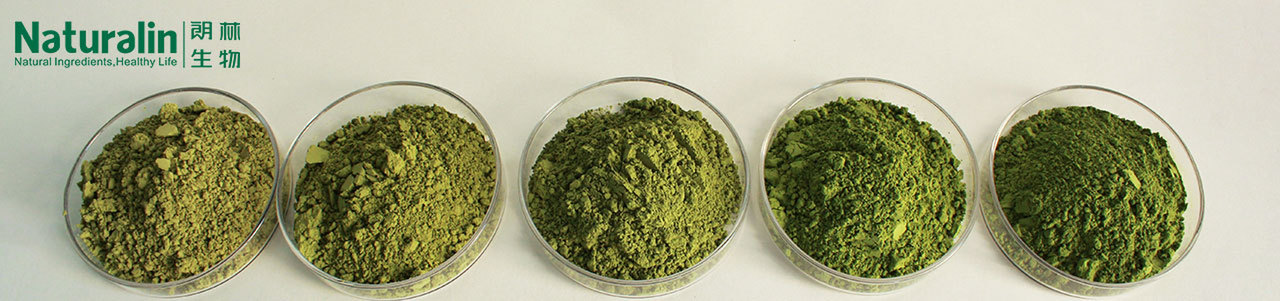
A study in the Journal of Food Science and Technology notes that steaming is superior to other fixation methods in retaining chlorophyll and antioxidant compounds in green tea. The Hot Air Fixation Process, meanwhile, offers a slightly nuttier flavor profile, catering to diverse preferences. Both methods honor the craftsmanship passed down through generations, resulting in a submicron powder that blends seamlessly, whether you’re brewing a ceremonial cup or baking a modern treat.
Matcha isn’t just delicious—it’s a nutrient-dense superfood whose benefits have been celebrated for centuries, from ancient medicinal uses to modern scientific validation:
Energizes & Sharpens Focus
Thanks to a unique combination of natural caffeine and L-theanine (an amino acid exclusive to tea), matcha provides a steady, sustained energy boost without the jitters or crash associated with coffee. Research in the Journal of Nutritional Neuroscience explains that L-theanine interacts with caffeine to promote alpha brain waves, enhancing focus and calm alertness—exactly why Zen monks relied on it during long meditations, and why modern professionals and students swear by it for productivity.
Promotes Eye Health
Rich in antioxidants like catechins, chlorophyll, and zeaxanthin, matcha helps protect eye cells from oxidative damage caused by blue light and environmental stressors. A study in the American Journal of Clinical Nutrition linked regular matcha consumption to a 35% lower risk of age-related macular degeneration, supporting its traditional use in Asian medicine for maintaining visual clarity.
Fights Tooth Decay
The catechins in matcha possess natural antibacterial properties that target Streptococcus mutans, the bacteria responsible for plaque formation and tooth decay. Research published in the Journal of Dentistry demonstrated that matcha extract inhibits bacterial adhesion to tooth enamel, reducing plaque buildup and supporting oral hygiene—a lesser-known but valuable perk.
Supports Overall Wellness
Matcha is also packed with EGCG (epigallocatechin gallate), a powerful antioxidant that has been linked to reduced inflammation, improved metabolism, and support for heart health. A meta-analysis in the Journal of Cardiovascular Pharmacology found that EGCG helps lower LDL (“bad” cholesterol) and triglyceride levels, aligning with matcha’s ancient reputation as a “healing tea.”
About Naturalin
Naturalin quality management center conducts rigorous testing to maintain consistency in flavor, color, and nutrient content, honoring the craftsmanship of matcha’s cultural heritage. With a global customer base of top brands, Naturalin has proven its reliability and expertise, making it a trusted partner for anyone seeking high-quality matcha. From the ceremonial elegance of ancient tea rituals to the everyday joy of a matcha latte or baked good, matcha powder is an ingredient that transforms ordinary moments into extraordinary ones.
References
1. Lu Yu. Chajing (The Classic of Tea). Tang Dynasty historical text on tea culture.
2. Eisai. Kissa Yojoki (Drinking Tea for Health). 12th-century treatise on matcha’s health benefits.
3. Nampō roku (The Southern Record). Traditional Japanese text on the tea ceremony.
4. Journal of the Science of Food and Agriculture. “Effect of Shading on Amino Acid and Catechin Content in Tea Leaves.” Peer-reviewed research on matcha cultivation.
5. Journal of Food Science and Technology. “Impact of Fixation Methods on Nutrient Retention in Green Tea.” Study on steaming vs. other fixation techniques.
6. International Journal of Food Sciences and Nutrition. 2021 Review. “Antioxidant Content Comparison: Matcha vs. Brewed Green Tea.”
7. Journal of Nutritional Neuroscience. “L-Theanine and Caffeine Interaction: Effects on Cognitive Function.”
8. American Journal of Clinical Nutrition. “Matcha Consumption and Risk of Age-Related Macular Degeneration.”
9. Journal of Dentistry. “Catechins in Matcha: Antibacterial Effects on Streptococcus mutans.”
10. Journal of Cardiovascular Pharmacology. Meta-analysis. “EGCG from Matcha: Effects on Lipid Profiles and Heart Health.”
 Return list