sales@naturalin.com
 +86(731)84430651






Which plant extracts can boost immunity?
Author : Naturalin Date : Click : times
The immune system acts as the body’s frontline defense against pathogens, environmental toxins, and abnormal cellular growth. A robust immune response is pivotal for sustaining overall health, while immune deficiencies heighten vulnerability to infections, chronic inflammation, and other health complications. In recent years, plant extracts have gained substantial traction for their natural, science - validated capacity to bolster immune function. As a plant extract supplier, we frequently field inquiries regarding the most efficacious ingredients for immune enhancement. This article delves into four standout plant extracts—Chaga Mushroom Extract, Echinacea Extract, Ginseng Extract, and Ivy Extract—exploring their mechanisms of action, immune - boosting benefits, and credible international research underpinnings.
Key Plant Extracts for Immunity Enhancement
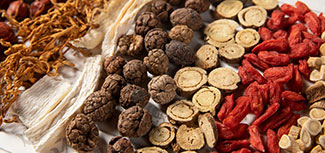
Derived from Inonotus obliquus, Chaga Mushroom Extract is a powerhouse of immune - supportive bioactive compounds, with polysaccharides (β - glucans), betulinic acid, and high - potency antioxidants taking center stage.
Mechanism of Action: The β - glucans in Chaga bind to pattern recognition receptors (PRRs) on immune cells like macrophages, natural killer (NK) cells, and dendritic cells. This binding activates these cells, enhancing their ability to phagocytose pathogens, produce immune - modulating cytokines (e.g., interleukin - 12 and tumor necrosis factor - α), and fortify the body’s adaptive immune response. Moreover, Chaga’s antioxidants, including ergothioneine and melanin, neutralize reactive oxygen species (ROS) that can impair immune cell function, further promoting immune homeostasis.
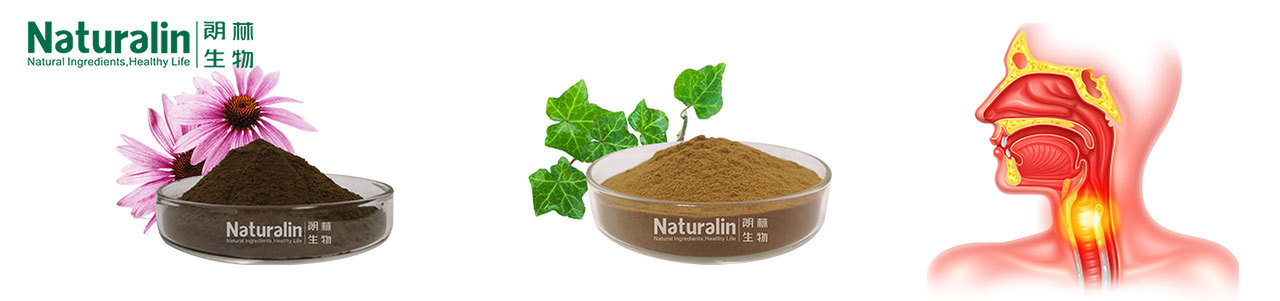
Sourced from Echinacea purpurea, Echinacea angustifolia, or Echinacea pallida, Echinacea Extract is widely recognized for its role in alleviating upper respiratory tract infections (URTIs), such as colds and sore throats. Its key active components encompass alkamides, polysaccharides, cichoric acid, and phenols.
Mechanism of Action: Echinacea’s bioactive compounds target multiple facets of immune function relevant to URTIs. Polysaccharides stimulate the proliferation and activity of macrophages and B lymphocytes, accelerating antibody production against respiratory pathogens. Alkamides and cichoric acid inhibit the adhesion of viruses to respiratory epithelial cells, preventing viral replication and reducing symptom severity. Additionally, Echinacea mitigates inflammation in the respiratory mucosa by suppressing pro - inflammatory cytokines, alleviating congestion, sore throat, and cough associated with URTIs.
3. Ginseng Extract
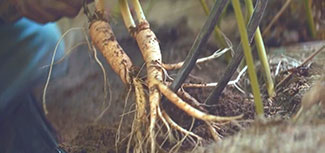
Extracted from Panax ginseng or Panax quinquefolius, Ginseng Extract is a classic adaptogenic herb with a long - standing history of use in supporting immunity. Its primary active compounds are ginsenosides (e.g., Rg1, Rb1, and Rd), which underpin its immune - modulating effects.Mechanism of Action: Ginsenosides exert dual regulatory effects on the immune system, balancing overactive and underactive responses. They enhance the function of T cells, B cells, and macrophages by promoting cell proliferation and cytokine secretion (e.g., interferon - γ and interleukin - 2), bolstering the body’s ability to combat pathogens. Furthermore, ginsenosides activate the Nrf2 - ARE signaling pathway, upregulating antioxidant enzymes (e.g., superoxide dismutase and glutathione peroxidase) to safeguard immune cells from oxidative damage. For individuals with compromised immunity (e.g., the elderly or those under chronic stress), ginsenosides help restore immune competence.
Obtained from Hedera helix, Ivy Extract is valued for its ability to alleviate coughs associated with chronic bronchitis, asthma, and other respiratory conditions—indirectly supporting immunity by reducing respiratory distress and preventing secondary infections. Its key active components are triterpenoid saponins, such as hederacoside C and α - hederin.
Mechanism of Action: Ivy’s saponins act as mucolytics, thinning and loosening thick mucus in the airways to facilitate expectoration. They also exert bronchodilatory effects by relaxing bronchial smooth muscles, improving airflow, and reducing cough frequency in individuals with chronic bronchitis or asthma. Additionally, ivy saponins possess anti - inflammatory properties, inhibiting the production of pro - inflammatory cytokines (e.g., interleukin - 6 and TNF - α) in the respiratory tract, which helps reduce mucosal irritation and prevent exacerbations of respiratory conditions. By relieving respiratory symptoms, ivy extract supports overall immune function by reducing the body’s inflammatory burden.
Nutraceuticals
These plant extracts are extensively incorporated into dietary supplements, either as single - ingredient products or synergistic blends. For instance, supplements combining Chaga Mushroom Extract and Ginseng Extract offer comprehensive immune support, while blends of Echinacea and Ivy Extract target respiratory health—ideal for seasonal cold prevention or managing chronic respiratory conditions.
Plant extracts are also added to functional foods and beverages to amplify their immune benefits. Echinacea - infused teas, Chaga coffee blends, and ginseng - fortified smoothies provide convenient means to integrate immune - supporting ingredients into daily diets, catering to consumers seeking natural health solutions.
Pharmaceuticals
In pharmaceutical formulations, Ivy Extract is often utilized in cough syrups and respiratory medications to alleviate symptoms of chronic bronchitis and asthma. Echinacea Extract is also found in over - the - counter supplements for URTI relief, backed by clinical evidence of its efficacy.
Conclusion
Chaga Mushroom Extract, Echinacea Extract, Ginseng Extract, and Ivy Extract emerge as highly effective plant - based ingredients for boosting immunity—each offering unique mechanisms to support immune function, respiratory health, and overall well - being. From activating immune cells and neutralizing pathogens to reducing inflammation and relieving respiratory symptoms, these extracts are underpinned by credible international research and trusted across global industries.
As a plant extract supplier, we take pride in our commitment to delivering top - notch products. Take our Echinacea Extract as an example. It boasts specifications of 4% Polyphenols and 2% - 4% Cichoric Acid, with testing methods of UV/HPLC ensuring quality. We hold a production technology patent (ZL 2020 1 0056794.9) and offer diverse product types like Powder and Granules, extracted with Ethanol/Water. Whether you are developing nutraceuticals, functional foods, or pharmaceutical products, our extracts can empower you to create science - backed formulations that support immunity and respiratory health.
Should you be interested in sourcing these extracts or learning more about their applications, please do not hesitate to reach out. We look forward to collaborating with you to develop innovative, natural solutions for your customers’ health needs.
1.Kim, S., Lee, J., & Park, H. (2023). Immunomodulatory effects of Chaga mushroom (Inonotus obliquus) polysaccharides in human PBMCs. Journal of Ethnopharmacology, 312, 116345.
2.Cochrane Collaboration. (2024). Echinacea for preventing and treating upper respiratory tract infections. Cochrane Database of Systematic Reviews, 5, CD000530.
3.Lee, H., Kim, Y., & Kim, J. (2022). Ginsenoside Rg1 improves immune function in aged mice via regulating T cell subsets and cytokine production. Journal of Medicinal Food, 25(8), 821 - 828.
4.Müller, J., & Hansel, R. (2021). Efficacy and safety of ivy extract (Hedera helix) in patients with chronic bronchitis: A randomized controlled trial. Phytomedicine, 83, 153689.
5.Wasser, S. P. (2022). Medicinal mushrooms as a source of immunomodulating polysaccharides. International Journal of Medicinal Mushrooms, 24(1), 1 - 25.
 Return list